In a world where energy bills can feel like a second mortgage, automated energy solutions are the superhero we didn’t know we needed. Imagine slashing those costs while lounging on your couch, sipping coffee, and letting technology do the heavy lifting. It’s like having a personal assistant for your home, but without the awkward small talk.
These innovative systems are transforming how homes and businesses consume energy, making efficiency the new black. From smart thermostats that learn your habits to solar panels that practically pay for themselves, automated energy solutions are not just a trend—they’re a revolution. So why not ride the wave of this energy renaissance? Embrace the future and say goodbye to the days of guessing when to turn off the lights. Your wallet will thank you, and Mother Earth might just throw in a high-five.
Overview of Automated Energy Solutions
Automated energy solutions incorporate advanced technologies to optimize energy usage. These systems include smart devices, such as thermostats and lighting controls, enhancing efficiency in homes and businesses. Cost savings arise from reduced energy consumption provided by features like real-time monitoring and adaptation to usage patterns.
Solar panels represent a significant innovation within this landscape, converting sunlight into electricity and offering a renewable energy source. With affordability increasing, many individuals and organizations are adopting solar technology. Battery storage systems enhance these solutions further, allowing for energy reserve during non-sunlight hours.
Smart grid technology improves how energy is distributed and consumed. By using sensors and data analytics, utilities can better balance supply and demand, minimizing waste. Energy management software also plays a role, providing users with insights into their consumption trends.
Environmental benefits accompany these technologies as well. Transitioning to automated energy solutions can lower carbon footprints and promote sustainability. Integration of electric vehicle chargers adds another layer, encouraging the shift toward greener transportation.
Embracing these automated systems leads to a comprehensive approach to energy efficiency. By prioritizing these innovations, users can significantly impact both their expenses and the environment.
Benefits of Automated Energy Solutions
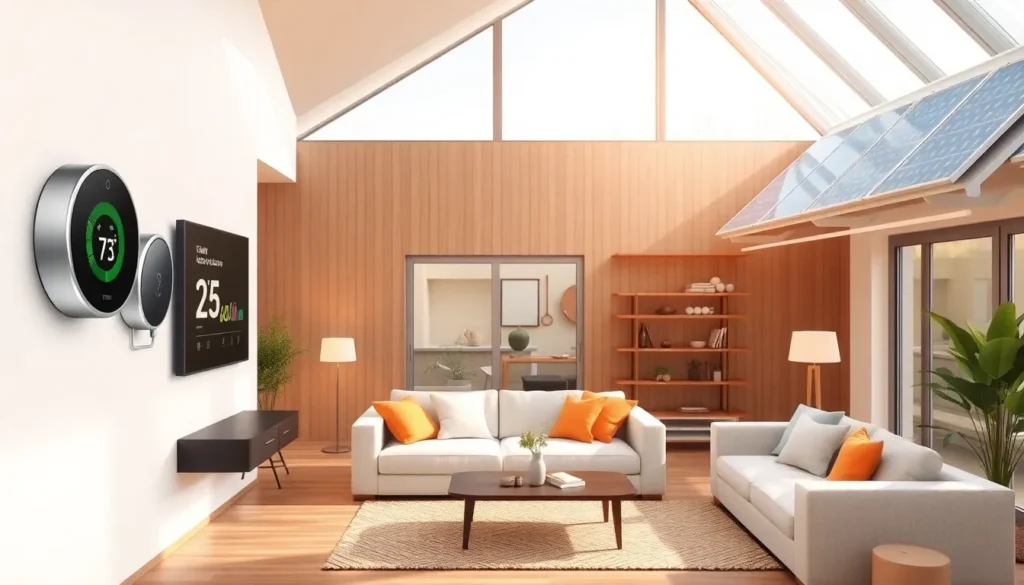
Automated energy solutions offer numerous advantages, particularly in cost savings and efficiency improvements. These benefits can lead to significant enhancements in both economic and environmental aspects.
Cost Savings
Automated systems drastically lower energy expenses for homes and businesses. Smart thermostats and energy-efficient lighting create immediate reductions by adapting to user habits. On average, households can save 10-30% on their energy bills by implementing these technologies. Solar panels further contribute by decreasing dependence on traditional energy sources. Moreover, battery storage systems provide savings by utilizing stored energy during peak pricing hours. The overall effect results in substantial financial relief over time, allowing users to reallocate funds towards other essential needs.
Efficiency Improvements
Energy efficiency greatly benefits from advanced automated solutions. Real-time monitoring and data analytics enable users to identify consumption patterns and make necessary adjustments. Automated devices function seamlessly, adjusting lighting and heating based on occupancy. Smart grid technology optimizes energy distribution, balancing supply and demand effectively. These improvements significantly decrease energy waste, promoting a more sustainable approach to consumption. Businesses and households alike experience smoother operations as automation minimizes human errors in energy management. Consequently, embracing these advancements leads to enhanced efficiency and productivity, demonstrating the profound impact of automated energy solutions.
Types of Automated Energy Solutions
Automated energy solutions encompass various technologies that enhance energy efficiency and reduce costs. Three key types include smart grids, energy management systems, and home automation.
Smart Grids
Smart grids integrate advanced technology into electricity distribution networks. They utilize sensors and data analytics to optimize energy delivery and balance supply with demand. By improving communication between utilities and consumers, smart grids minimize energy waste and enhance reliability. These systems reduce power outages and support the integration of renewable energy sources, making energy usage more consistent and efficient. Reports suggest that smart grids can lead to reductions in energy loss by up to 30%.
Energy Management Systems
Energy management systems provide users with tools to monitor and optimize their energy consumption patterns. These systems track usage data in real-time and offer insights for better decision-making. Users can identify peak usage times and adjust their habits accordingly, resulting in cost savings. Recent studies indicate that implementing energy management systems often leads to savings between 10-25% on energy bills. Such systems promote accountability, making it easier for businesses and households to manage their energy efficiently.
Home Automation
Home automation systems enhance energy savings through intelligent control of household devices. Smart devices like thermostats, lighting, and appliances can be programmed to operate based on occupancy or time of day. These automated adjustments not only improve convenience but also ensure energy isn’t wasted. The integration of home automation can lead to energy savings of 20-30% for residential users. Advanced algorithms adapt settings to user preferences, further increasing both comfort and efficiency.
Challenges in Implementing Automated Energy Solutions
Implementing automated energy solutions presents several challenges that can hinder their adoption and effectiveness. These challenges often manifest in both technological and regulatory arenas.
Technological Barriers
Technological advancements create opportunities but also pose barriers. Compatibility issues may arise between existing systems and new technologies, complicating integration. Cybersecurity concerns also present risks, as automated systems become potential targets for attacks. In addition, the complexity of technology can overwhelm users unfamiliar with smart devices and energy management tools. Limited access to reliable internet connections can prevent users from fully benefiting from cloud-based solutions. Addressing these technological hurdles remains crucial for successful implementation.
Regulatory Issues
Regulatory challenges act as significant obstacles for automated energy solutions. Complex codes and standards can slow down the deployment of new technologies. Local policies may not always support innovative energy practices, preventing widespread adoption. Furthermore, insufficient incentives for businesses and homeowners can decrease motivation for investment in these systems. Often, lack of coordination between federal, state, and local regulations creates confusion and delays. Navigating these regulatory frameworks is essential for unlocking the full potential of automated energy solutions.
Future Trends in Automated Energy Solutions
Automated energy solutions continue to evolve, focusing on integration and technological advancements. These trends reflect the shifting landscape of energy efficiency.
Integration with Renewable Energy
Integration with renewable energy sources plays a crucial role in future developments. Solar and wind energy systems work seamlessly with automated solutions, optimizing energy usage while minimizing waste. Homes and businesses often use smart devices to harness power from renewables, resulting in lower energy costs and decreased carbon footprints. For instance, regions utilizing solar power can achieve significant energy independence, with solar capacity increasing by over 30% since 2019. This trend towards integration not only stabilizes energy supply but also supports sustainability goals.
Advances in IoT and AI
Advances in IoT and AI technologies enhance automated energy solutions significantly. Smart sensors collect data on energy consumption, allowing systems to adapt in real-time. AI algorithms analyze these patterns, providing predictive insights that lead to increased efficiency. Businesses implementing these technologies report savings between 15-25% on operational costs due to optimized energy management. Additionally, machine learning tools help in forecasting energy demand, facilitating better grid management. The rapid progression of IoT and AI ensures that automated energy solutions become increasingly intelligent and user-friendly, paving the way for a sustainable future.
Automated energy solutions represent a pivotal shift in how individuals and businesses approach energy consumption. By leveraging advanced technologies like smart grids and energy management systems, users can achieve significant savings while promoting sustainability. The ongoing integration of renewable energy sources further enhances these benefits, paving the way for a greener future.
Though challenges exist in implementing these solutions, the potential rewards are substantial. As technology continues to evolve, automated energy systems will become even more accessible and efficient. Embracing these innovations not only supports financial savings but also contributes to a healthier planet for future generations.